ADVERTISEMENT
Morning: Fuel Your Day with a Banana
Many nutritionists recommend eating a banana in the morning, especially as part of breakfast. Here’s why:
Supports Digestion:
Bananas contain fiber, including pectin, which regulates digestion. Eating a banana before or during breakfast can help keep your digestive system moving efficiently throughout the day.
Improves Mood:
Bananas contain tryptophan, an amino acid that the body converts into serotonin, the “feel-good” neurotransmitter. Starting your day with a banana can enhance your mood and reduce morning stress.
Balances Blood Sugar:
When combined with other breakfast foods like oats, yogurt, or whole-grain toast, bananas can prevent blood sugar spikes thanks to their fiber content.
Pro tip: Pair your banana with a protein source, such as peanut butter or Greek yogurt, for sustained energy and satiety.
Pre-Workout: The Banana as a Natural Energy Booster
Another optimal time to eat a banana is 30–60 minutes before exercise. Athletes and fitness enthusiasts often use bananas as a natural pre-workout snack. Here’s why:
Quick Energy: Bananas provide easily digestible carbohydrates that fuel muscles during workouts.
Potassium for Muscles: Potassium helps maintain electrolyte balance, preventing cramps and supporting proper muscle function.
Research has shown that athletes who eat a banana before exercising perform as well as those who consume energy bars, making it a natural, affordable alternative.
Pro tip: Combine your pre-workout banana with a small handful of almonds or a scoop of protein powder for longer-lasting energy.
Midday Snack: Bananas to Curb Cravings
Bananas are also ideal as a mid-morning or mid-afternoon snack. Many people experience an energy slump between meals, and this is where a banana can help.
Natural Sugars: The sugar in bananas provides a gentle, natural energy boost without the crash associated with candy or soda.
Fiber for Satiety: The fiber content keeps you feeling full until your next meal.
Mood Enhancer: Tryptophan in bananas continues to support serotonin production, reducing stress and irritability during the workday.
Evening: Bananas for Relaxation and Sleep
You might be surprised, but evening is also a good time to enjoy a banana, particularly if you’re looking to improve sleep quality. Bananas contain several nutrients that help your body relax:
Magnesium: Helps relax muscles and calm the nervous system.
Potassium: Reduces muscle cramps that can disturb sleep.
Tryptophan: Converts into serotonin, which then converts into melatonin, the hormone responsible for regulating sleep.
Eating a banana an hour or so before bed can help some people fall asleep faster and sleep more soundly. Pairing it with a small protein source like almond butter can further enhance this effect.
Pro tip: Avoid eating bananas immediately after a heavy dinner to prevent bloating; instead, enjoy it as a light pre-bedtime snack.
After a Meal: Bananas Can Aid Digestion
Some cultures traditionally eat bananas after meals. While not everyone may benefit equally, bananas can help with digestion due to their fiber content.
Pectin fiber: Helps regulate bowel movements and supports gut health.
Low acid content: Makes bananas easy to digest compared to citrus fruits.
Soothing effect: Bananas can help calm stomach acid, which is helpful for those with mild heartburn.
However, eating too many bananas immediately after a heavy meal may cause bloating for sensitive individuals. Moderation is key.
Bananas and Weight Management
If you’re watching your weight, timing bananas strategically can help you enjoy their benefits without overdoing calories.
Morning and pre-workout: Optimal for energy and metabolism.
As a snack: Helps curb cravings for unhealthy snacks.
Avoid late-night overeating: While bananas are healthy, consuming too many late at night alongside other foods can add unnecessary calories.
The key is moderation and pairing bananas with other nutrient-rich foods.
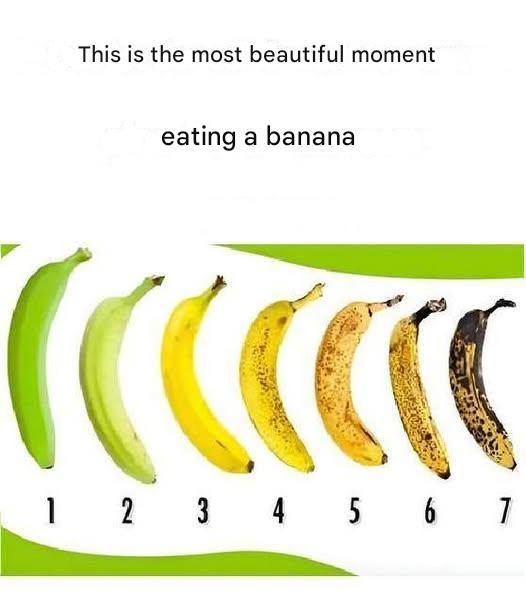
Ripeness Matters Too
Not only does timing matter, but the ripeness of your banana also affects its nutritional profile:
Green bananas: Higher in resistant starch, which acts like fiber, slowing digestion and providing a steady energy release. Great for pre-workout or managing blood sugar.
Yellow bananas: Higher in natural sugars, easier to digest, and perfect for quick energy in the morning or before exercise.
Brown-spotted bananas: Rich in antioxidants and simple sugars, ideal for immediate energy needs or digestion aid.
Pro tip: Choose your banana based on your goals for the day—energy, digestion, or relaxation.
Creative Ways to Enjoy Bananas
Timing isn’t the only factor—how you eat bananas can enhance their benefits:
Smoothies: Blend bananas with yogurt, spinach, and protein powder for a nutrient-dense breakfast or post-workout snack.
Oatmeal topping: Adds natural sweetness, fiber, and potassium to your morning bowl.
Banana with nut butter: Perfect pre-workout snack or mid-afternoon energy boost.
Banana “ice cream”: Freeze ripe bananas and blend for a creamy dessert that’s healthy and satisfying.
Common Myths About Bananas
Despite their popularity, bananas are often misunderstood. Let’s debunk some common myths:
Myth 1: Bananas make you fat.
Truth: Bananas are low in calories and full of fiber. Overeating any food can lead to weight gain, but bananas alone won’t cause it.
Myth 2: You shouldn’t eat bananas at night.
Truth: Bananas can actually promote better sleep due to magnesium, potassium, and tryptophan.
Myth 3: Bananas are only for energy.
Truth: They support heart health, digestion, mood, and even immunity.
The Bottom Line: Timing Is Everything
So, when is the best time to eat a banana? While there’s no one-size-fits-all answer, here’s a summary based on your goals:
Morning: Kickstart your day with energy and improved digestion.
Pre-workout: Boost energy and prevent muscle cramps.
Midday: Satisfy cravings and support mental focus.
Evening: Promote relaxation and better sleep.
After meals: Aid digestion and soothe the stomach.
Ultimately, the best time depends on your lifestyle, activity level, and nutritional needs. The beauty of bananas is their flexibility—they can fit seamlessly into almost any routine.
Final Thoughts
Bananas are more than just a convenient snack—they are a versatile, nutrient-dense fruit that supports energy, digestion, muscle function, mood, and sleep. By paying attention to timing, ripeness, and pairing with other foods, you can maximize their benefits and incorporate them into a healthy lifestyle.
Whether you enjoy them in the morning, as a pre-workout boost, or as a relaxing bedtime snack, bananas are a simple yet powerful way to improve your overall well-being. So next time you reach for this beloved fruit, think about when you eat it—and why—and you’ll unlock its full potential.
ADVERTISEMENT
