ADVERTISEMENT
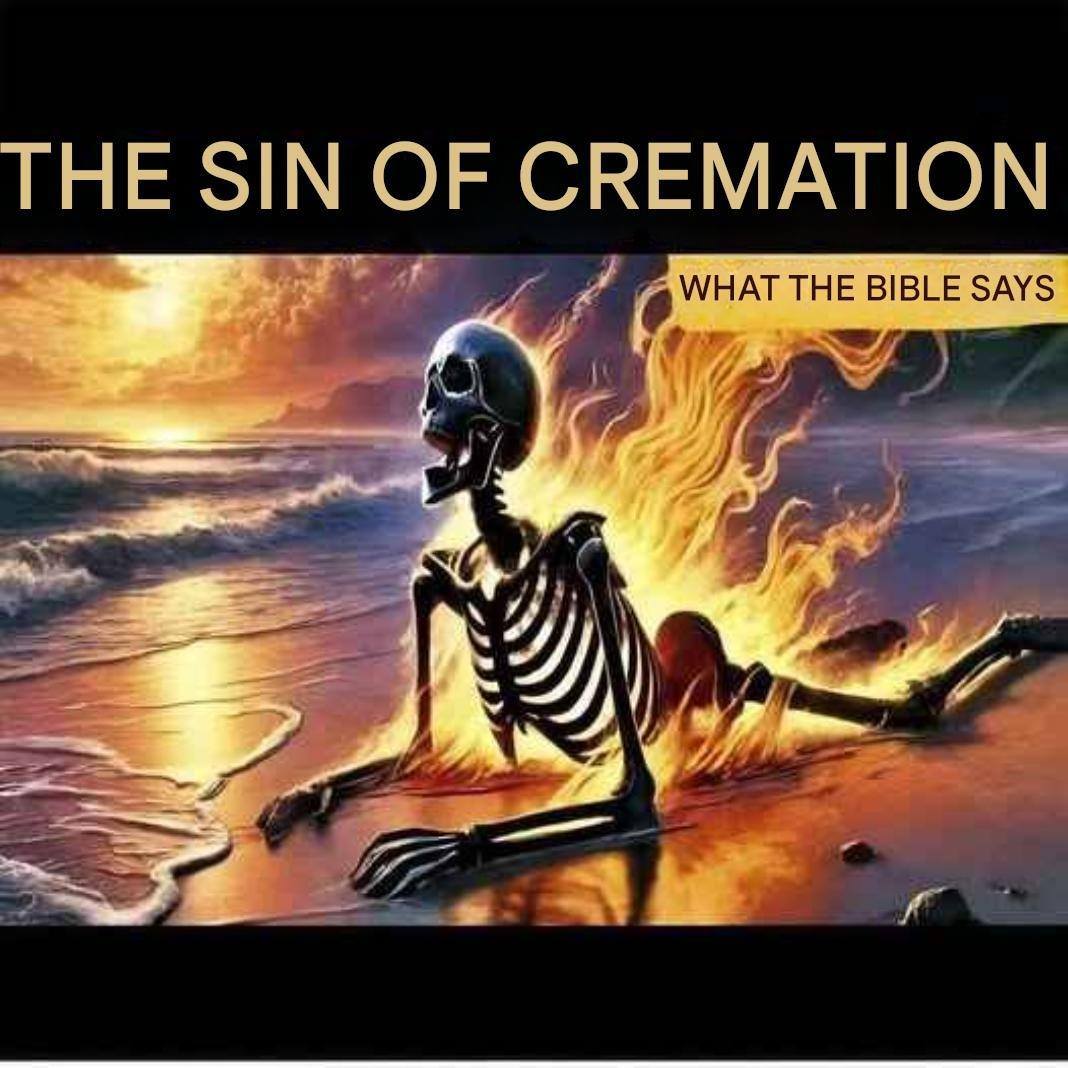
Fire was associated with hell, punishment, and divine wrath
In early Christian history, cremation was often linked to pagan rituals. As Christianity spread, rejecting cremation became a way to separate believers from non-believers.
“Ashes to Ashes” — A Shift in Understanding
Despite strong opposition, theological perspectives began to evolve.
Modern Christian scholars increasingly argue that God’s power is not limited by physical form. If the soul is eternal, then the method of bodily disposal cannot override divine will.
After all, bodies decompose in graves, are lost at sea, or are destroyed in disasters. If resurrection depends on intact remains, what of those who were never buried?
This shift led to major changes. In 1963, the Catholic Church officially lifted its ban on cremation—though it still encouraged burial when possible and insisted cremation should not deny belief in resurrection.
Even today, tension remains. Some clergy accept cremation fully. Others view it with hesitation, framing it as spiritually risky rather than outright sinful.
The Emotional Weight Behind the Belief
For many believers, the fear surrounding cremation is not about doctrine—it’s about devotion.
Are we honoring the body God gave us?
Are we treating death too casually?
Are we placing modern efficiency above sacred mystery?
In moments of grief, these fears become amplified. Families worry not just about honoring their loved ones—but about eternal consequences.
That fear, passed down through generations, carries powerful emotional weight.
Other Faiths, Different Perspectives
Interestingly, not all religions view cremation as sinful. In fact, some consider it sacred.
In Buddhism, cremation symbolizes impermanence—the idea that the physical body is temporary and should not be clung to.
In Sikhism, cremation is also standard practice, emphasizing detachment from the physical world.
These beliefs challenge the idea that cremation itself is inherently disrespectful or sinful. Instead, they suggest meaning comes from intention, not method.
Is the Sin in the Fire—or in the Heart?
A growing number of theologians argue that the real moral question is not how the body is handled, but why.
If cremation is chosen:
To reject faith
To mock religious belief
To deny the sacredness of life
Then the sin lies in the intention, not the flames.
But if cremation is chosen out of:
Financial necessity
Environmental concern
Cultural tradition
Personal or family wishes
Then many argue it carries no spiritual wrongdoing at all.
Faith, after all, has always been about the heart.
The Story Behind the Fear
The phrase “the sin of cremation” has endured because it was never just about death—it was about control, identity, and boundaries.
In earlier centuries, burial practices were one of the clearest markers of religious belonging. To be buried in consecrated ground was to be accepted. To be cremated was to be cast out.
That historical memory still echoes today, even as theology evolves.
For older generations especially, cremation can feel like crossing a line they were taught never to approach.
A Family Divided at the Graveside
Stories abound of families torn apart by this decision.
A devout parent who demanded burial.
Children who chose cremation out of practicality.
Arguments erupting not over love—but over fear of divine judgment.
In these moments, grief becomes tangled with guilt. People are left wondering whether honoring a loved one’s wishes means risking spiritual consequences.
It is here that the question becomes most painful: Can love itself ever be sinful?
What Many Faith Leaders Say Today
Today, most mainstream Christian denominations agree on one core principle: God judges the soul, not the ashes.
Clergy increasingly emphasize compassion over condemnation, reminding believers that salvation is not dependent on funeral logistics.
Still, discomfort remains. Some churches discourage scattering ashes. Others insist remains be treated with dignity, whether buried or kept.
The focus has shifted from prohibition to reverence.
Why the Debate Persists
Despite evolving theology, the debate continues because death touches our deepest fears:
Fear of judgment
Fear of doing something wrong forever
Fear of disrespecting God or loved ones
Cremation forces people to confront those fears directly. It strips away ritual familiarity and replaces it with uncomfortable choice.
And choice, in matters of faith, is rarely easy.
Story of the Day: What This Question Reveals About Us
The question “Is cremation a sin?” reveals more about the living than the dead.
It reveals how deeply tradition shapes belief.
How fear can linger long after rules change.
How grief magnifies doubt.
Most of all, it reveals our longing for certainty in a moment defined by mystery.
Final Thoughts
The idea of cremation as a sin is rooted in history, symbolism, and sincere devotion—but it is not universally supported by modern theology.
For many faith traditions today, the soul’s journey is not threatened by fire, nor is God’s power limited by ashes.
What remains essential is respect—for the body, for belief, and for the living left behind.
Whether buried or cremated, what endures is love, memory, and faith.
ADVERTISEMENT
