ADVERTISEMENT
The Little Boy Who Grew Up to Be the “Scorecard” Serial Killer
Every monster was once a child.
Every story of horror has a beginning.
And sometimes, the most ordinary childhoods — on the surface — can mask a future few would ever predict.
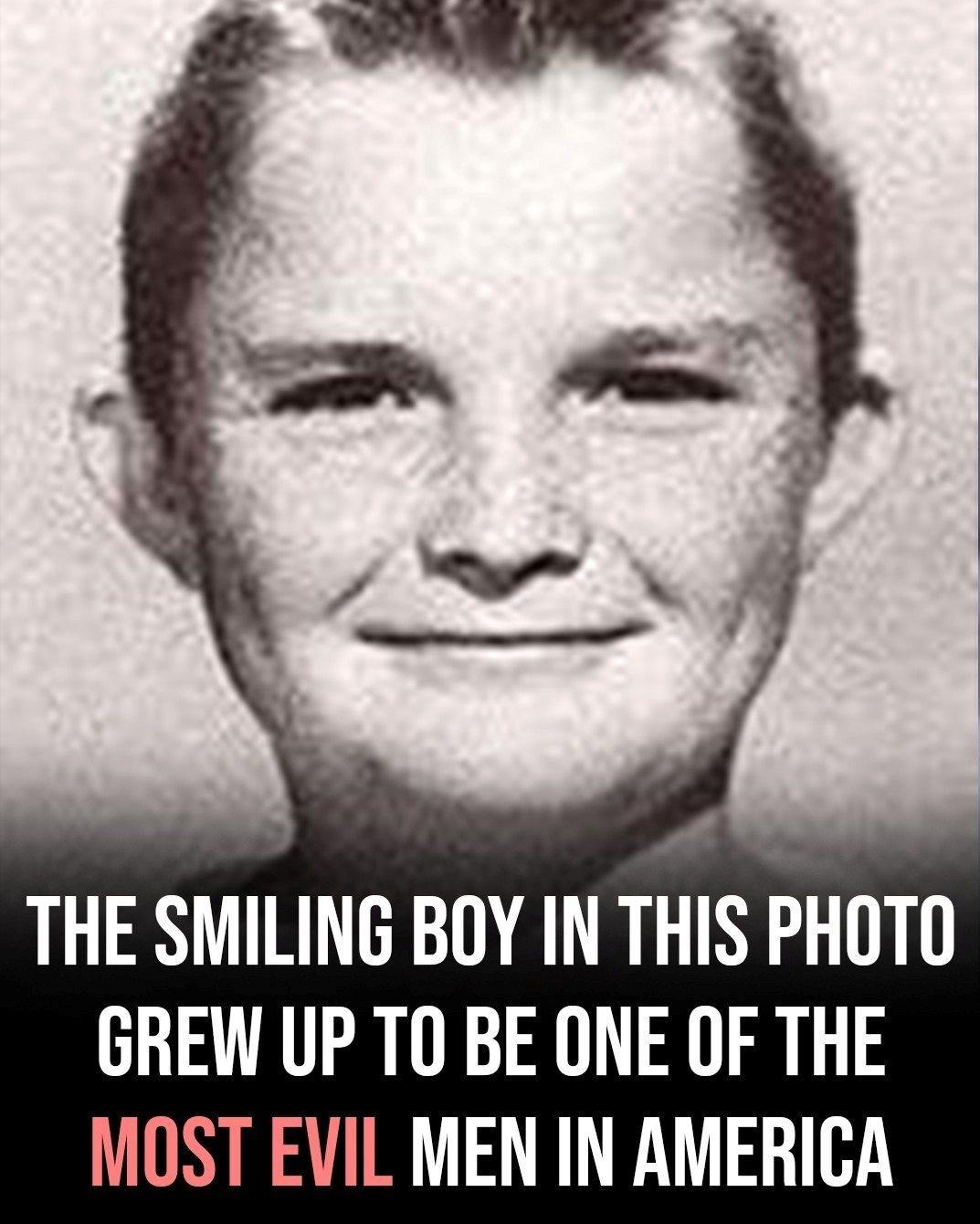
But before the body dumps, the cryptic list of victims, and the headlines, he was — like so many — a boy growing up in post‑war America. How did that boy become one of the most prolific and disturbing serial killers the United States has ever known? This is the story behind the name.
Early Life: An Ordinary Boy in an Ordinary Neighborhood
Randy Steven Kraft was born on March 19, 1945, in Long Beach, California — a suburban community brimming with returning servicemen, new homes, and the promise of post‑World War II prosperity. He was the only son among three sisters and grew up in a family that embodied a familiar middle‑class American life: father working long hours, mother juggling jobs to support the household, children going to school and playing in the neighborhood.
Neighbors later remembered little but a bright, polite child — studious, neat, and noticeably meticulous. His toys were always arranged in orderly rows, his room kept immaculate. In school, he was academically gifted, often excelling in math and other subjects. On the surface, he looked every bit the model kid.
But beneath that quiet exterior was a restlessness that would only grow with time.
The Transition to Adulthood: Complications and Inner Conflict
As Kraft moved from boyhood into adolescence and then into early adulthood, subtle changes emerged. He was brilliant — graduating high school near the top of his class — and he went on to study economics at Claremont Men’s College on scholarship.
He also spent time in the U.S. Air Force, but was discharged in 1969 under circumstances that remain controversial — officially for “medical reasons,” but unofficially linked to pressure over his sexuality. At a time when being gay could derail a person’s life or career, Kraft’s orientation clashed with the rigid norms of the military and society.
The Beginning of a Killing Spree
The first murders linked to Kraft are believed to have occurred in 1971 — the same year he graduated from college. Over the next decade, bodies began turning up across Southern California and eventually in Oregon and Michigan as well.
Continue reading…
ADVERTISEMENT
