ADVERTISEMENT
mRNA Vaccines: More Than Just COVID Protection
mRNA (messenger RNA) vaccine technology became a household name during the COVID‑19 pandemic. Instead of introducing weakened virus particles into the body, these vaccines deliver genetic instructions (mRNA) that teach cells to produce a harmless piece of a pathogen — prompting the immune system to recognize and respond to it in the future.
Breakthrough Clinical Results: Early Success and Long‑Lasting Immune Responses
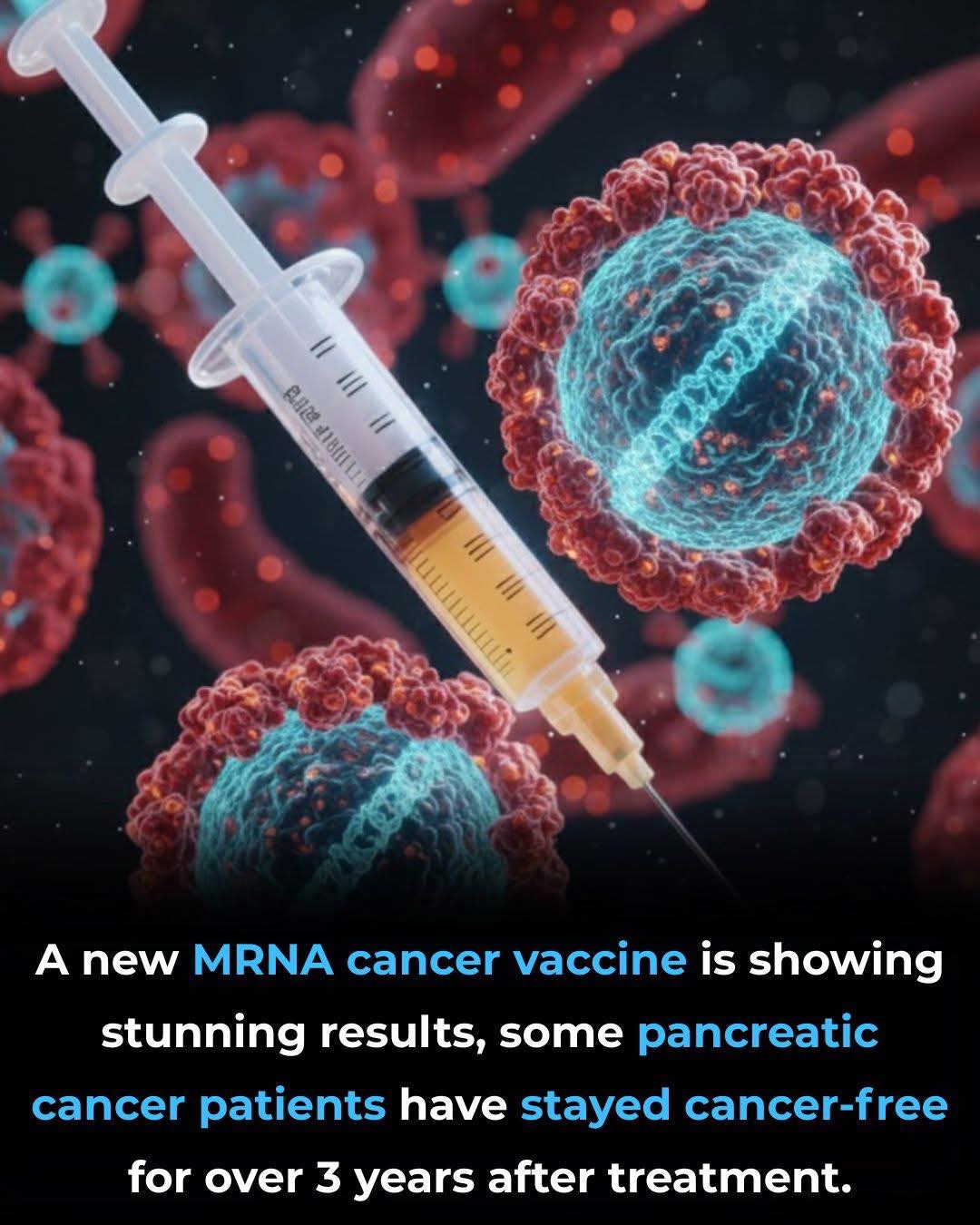
One of the most exciting developments comes from clinical research led by Memorial Sloan Kettering Cancer Center (MSKCC) in New York. In a Phase 1 clinical trial, researchers developed a personalized mRNA vaccine designed to trigger immune responses against specific neoantigens expressed by pancreatic tumors.
Here’s how it worked:
Tumors were surgically removed from patients.
Tumor samples were sequenced genetically to identify unique neoantigens present in each person’s cancer.
Individualized mRNA vaccines were manufactured for each patient based on their tumor’s specific proteins.
Patients received the vaccine along with standard treatments such as chemotherapy and immunotherapy.
The results were promising:
In follow‑up assessments, some vaccine responders remained cancer‑free years after treatment, showing that the immune protection may persist far beyond the initial therapy period.
These findings suggest that mRNA vaccines can not only educate the immune system to recognize pancreatic cancer cells but can also contribute to long‑term tumor control — an outcome that was previously out of reach with standard therapies.
Why This Matters
1. A New Route for Immunotherapy
Most immunotherapies have worked well in cancers like melanoma and lung cancer, where tumors carry lots of mutations that make them visible to the immune system. Pancreatic cancer, with its poor immunogenicity, has historically resisted such approaches. The success of an mRNA vaccine in this context signals a new path forward — a way to make “cold tumors” immunologically “hot.”
2. Personalized Medicine Comes to Oncology
The MSKCC vaccine isn’t a one‑size‑fits‑all therapy. It’s tailored to each patient’s tumor profile. While this personalization adds complexity and cost, it also means the vaccine can train the immune system against the specific features of a person’s cancer — increasing the chances of an effective immune attack.
3. Long‑Term Immune Memory
Beyond Personalization — Off‑the‑Shelf Approaches
Although personalized vaccines like the autogene cevumeran approach are showing promise, researchers are also exploring off‑the‑shelf mRNA vaccines that don’t require individual customization. These vaccines target common mutations found in many tumors, such as mutations in the KRAS gene, which are present in a high percentage of pancreatic cancers.
Early studies in this area suggest that such vaccines can trigger strong immune responses in a broad range of patients, potentially making vaccine therapy more accessible and scalable compared to highly individualized approaches. However, these are still early days and require larger, controlled clinical trials to confirm efficacy.
Ongoing Trials and Future Prospects
The initial Phase 1 results have inspired broader Phase 2 and Phase 3 trials — some recruiting hundreds of patients worldwide. These larger studies are designed to test whether mRNA vaccines can not only provoke immune responses but also improve survival outcomes compared to standard treatments alone.
In Europe, research groups are launching new clinical trials to evaluate mRNA vaccines for preventing cancer recurrence after surgery — an important step toward integrating vaccine therapy into real‑world cancer care.
The pace of research reflects a broader trend across oncology: moving from traditional chemotherapy and radiation to precision immunotherapy, where treatments are tailored not just to the type of cancer but to the unique genetic signature of each tumor.
Challenges Remain
While the early data are promising, it’s important to be cautious and realistic:
Small patient groups: Many promising results so far come from small Phase 1 trials. Larger studies are needed to confirm safety, efficacy, and long‑term survival benefits.
Complex and costly production: Personalized mRNA vaccines require sophisticated manufacturing and logistics, which may limit access in some healthcare systems.
Tumor escape mechanisms: Some tumors may evolve to evade immune detection even after vaccination, and researchers are investigating combination strategies — such as pairing vaccines with checkpoint inhibitors — to prevent this.
Why the World Is Watching
Pancreatic cancer kills more people than the combined deaths from breast cancer, prostate cancer, and melanoma every year in many countries. The fact that mRNA vaccines — once considered a niche experimental therapy — are now showing real signs of clinical impact is monumental.
Scientists, clinicians, funders, and patients alike are watching closely because success in pancreatic cancer could open the door to mRNA vaccine applications in many other difficult‑to‑treat cancers. This is a new class of immunotherapy that might redefine how we confront cancer in the 21st century.
A Ray of Hope
For patients and families affected by pancreatic cancer, the promise of mRNA vaccines does not mean a cure today — but it does mean hope for tomorrow. The possibility that the immune system can be trained to recognize and destroy pancreatic cancer cells — especially in diseases long resistant to treatment — is one of the most exciting developments in modern oncology.
As larger clinical trials progress and scientists refine delivery technologies and antigen selection techniques, it’s possible that mRNA vaccine therapy will become a standard part of pancreatic cancer care. What was once a deadly diagnosis may one day be a disease that can be managed — or even prevented from returning — thanks to the power of targeted immune programming.
ADVERTISEMENT
