ADVERTISEMENT
Medication Side Effects:
Steroids, certain diuretics, and some antipsychotics can increase glucose levels
Conditions like Cushing’s syndrome or hyperthyroidism may cause elevated blood sugar
High Blood Sugar Warning Signs
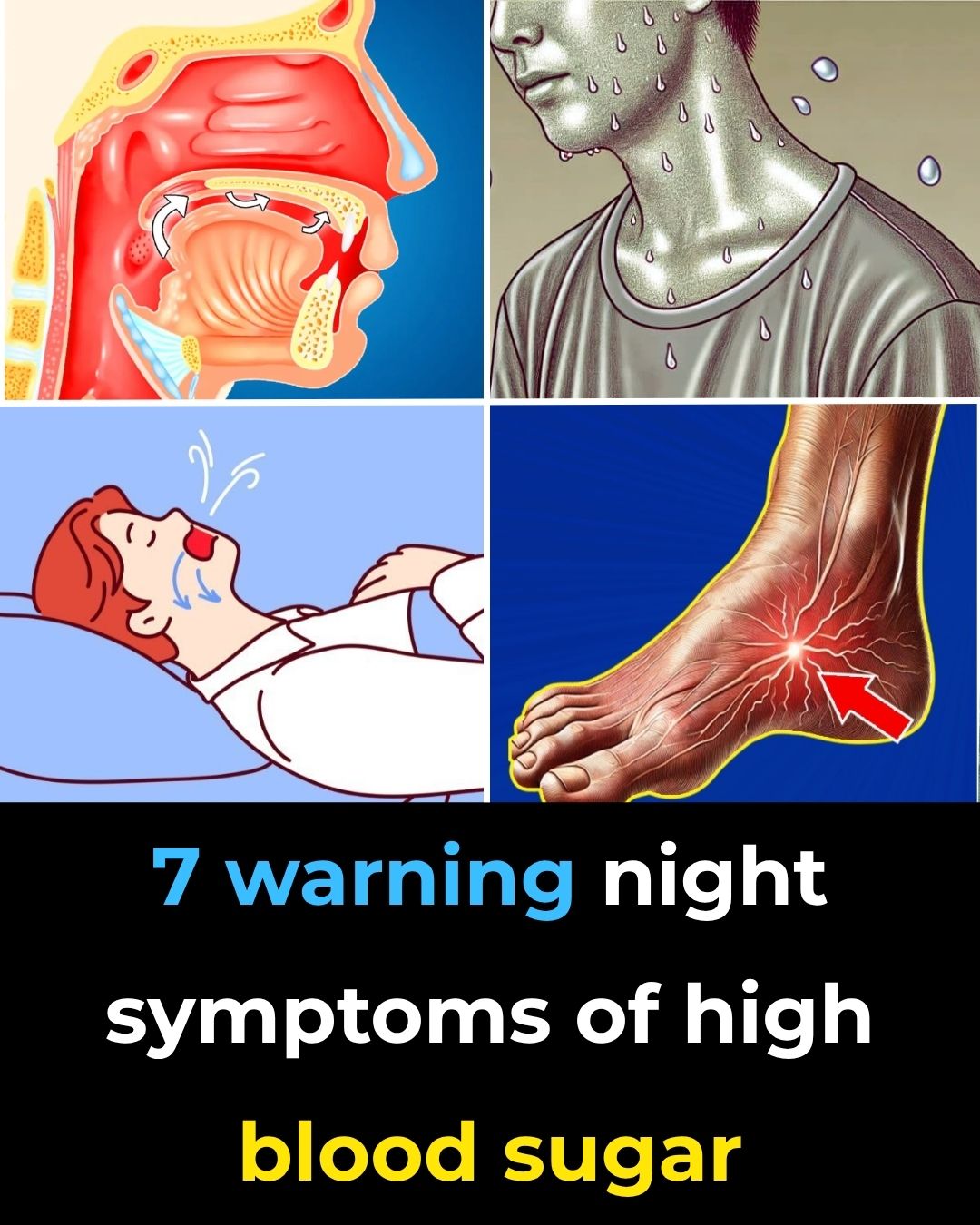
Hyperglycemia can develop gradually, and symptoms may vary depending on severity. Here are the key warning signs to watch for:
1. Increased Thirst and Frequent Urination
One of the earliest signs of high blood sugar is excessive thirst (polydipsia) and urination (polyuria).
Why it happens:
When glucose levels are high, the kidneys work harder to filter and absorb the excess sugar.
If they can’t keep up, the sugar spills into the urine, drawing water with it.
2. Unexplained Fatigue
Feeling unusually tired, even after a full night’s sleep, can be a symptom of hyperglycemia.
Why it happens:
Cells are starved of energy because insulin is not effectively transporting glucose into them.
The body struggles to maintain normal functioning, leaving you feeling drained.
3. Blurred Vision
High blood sugar can affect the shape of the lens in your eyes, leading to temporary vision problems.
Difficulty focusing
Seeing halos around lights
Eye strain
Chronic hyperglycemia can eventually cause diabetic retinopathy, a serious eye condition that may lead to blindness if untreated.
4. Headaches
Frequent or unexplained headaches may be linked to elevated blood glucose.
Why it happens:
Dehydration from excess urination reduces fluid in the body, including in the brain.
Fluctuations in blood sugar affect neurotransmitter balance, triggering pain signals.
5. Unintended Weight Loss
While weight gain is commonly associated with type 2 diabetes, unexplained weight loss is often a warning sign in type 1 diabetes.
Why it happens:
Without enough insulin, the body cannot use glucose for energy.
It starts breaking down fat and muscle for fuel, leading to rapid weight loss.
6. Slow-Healing Sores and Frequent Infections
High blood sugar impairs circulation and weakens the immune system.
Signs to watch for include:
Cuts or bruises that take longer to heal
Frequent urinary tract or skin infections
Yeast infections in both men and women
7. Numbness or Tingling in Hands or Feet
Persistent hyperglycemia can damage nerves, leading to diabetic neuropathy.
Symptoms include:
Tingling or burning sensations
Numbness in extremities
Difficulty feeling temperature changes or pain
Early detection is key to preventing permanent nerve damage.
Severe Hyperglycemia: When to Seek Immediate Help
While mild high blood sugar can often be managed at home, extreme levels can be life-threatening. Symptoms of severe hyperglycemia include:
Nausea and vomiting
Abdominal pain
Rapid breathing
Fruity-smelling breath
Confusion or drowsiness
These could indicate diabetic ketoacidosis (DKA) or hyperosmolar hyperglycemic state (HHS)—both emergencies that require immediate medical attention.
Long-Term Risks of Untreated High Blood Sugar
Chronic hyperglycemia can lead to serious complications, including:
Cardiovascular Disease: High blood sugar damages arteries, increasing the risk of heart attacks and strokes.
Kidney Damage (Nephropathy): The kidneys’ filtering system can be impaired, potentially leading to kidney failure.
Eye Damage (Retinopathy): Can cause vision loss or blindness over time.
Nerve Damage (Neuropathy): Leads to numbness, pain, and mobility issues.
Skin Problems: High sugar levels can make skin more prone to infections and slow healing.
Recognizing warning signs early can prevent many of these complications.
How to Monitor Blood Sugar
Regular monitoring is key to managing hyperglycemia effectively. Methods include:
Fingerstick Glucose Meters: Provide immediate readings of blood sugar levels.
Continuous Glucose Monitors (CGM): Track glucose trends in real-time.
A1C Tests: Measure average blood sugar over 2–3 months, helping assess long-term control.
Monitoring helps identify triggers, adjust medication, and inform dietary and lifestyle choices.
Lifestyle Strategies to Manage High Blood Sugar
Managing blood sugar doesn’t always require medication. Simple lifestyle changes can make a significant impact:
1. Balanced Diet
Focus on whole grains, lean proteins, and vegetables.
Limit refined sugars and processed foods.
Practice portion control and consistent meal timing.
2. Regular Exercise
Helps insulin work more effectively.
Improves circulation and cardiovascular health.
Even brisk walking 30 minutes a day can make a difference.
3. Hydration
Water helps flush excess sugar from the body.
Avoid sugary drinks, which worsen hyperglycemia.
4. Stress Management
Chronic stress releases hormones that raise blood sugar.
Techniques like meditation, deep breathing, yoga, or journaling can help.
5. Adequate Sleep
Poor sleep disrupts glucose metabolism.
Aim for 7–9 hours of quality rest each night.
6. Medication Compliance
If prescribed insulin or oral diabetes medication, taking it consistently is crucial.
Never adjust doses without consulting a healthcare provider.
When to See a Doctor
It’s important to seek professional advice if you notice:
Persistent high blood sugar readings
Recurrent infections or slow-healing wounds
Unexplained weight loss or extreme fatigue
Severe hyperglycemia symptoms (DKA or HHS)
Early intervention can prevent complications and improve long-term health outcomes.
The Bottom Line
High blood sugar is more than a number on a glucose meter—it’s a signal that the body needs attention. Recognizing the warning signs of hyperglycemia is critical for maintaining health, preventing complications, and improving quality of life.
From increased thirst and frequent urination to blurred vision and numbness, understanding the symptoms allows for proactive management. Coupled with monitoring, lifestyle changes, and medical guidance, it’s possible to keep blood sugar within healthy ranges and reduce the risk of long-term damage.
Your health is in your hands, and awareness is the first step. By paying attention to your body’s signals, you can take action before high blood sugar escalates into something more serious.
Remember: Consistency matters. Small, daily choices—like staying hydrated, eating balanced meals, exercising, and monitoring blood sugar—can dramatically impact your long-term health. Hyperglycemia is manageable, but only if you notice the warning signs early and act promptly.
ADVERTISEMENT
