ADVERTISEMENT
LED (Light Emitting Diode) headlights
HID (High-Intensity Discharge) or Xenon headlights
Brightness vs. Glare: An Important Difference
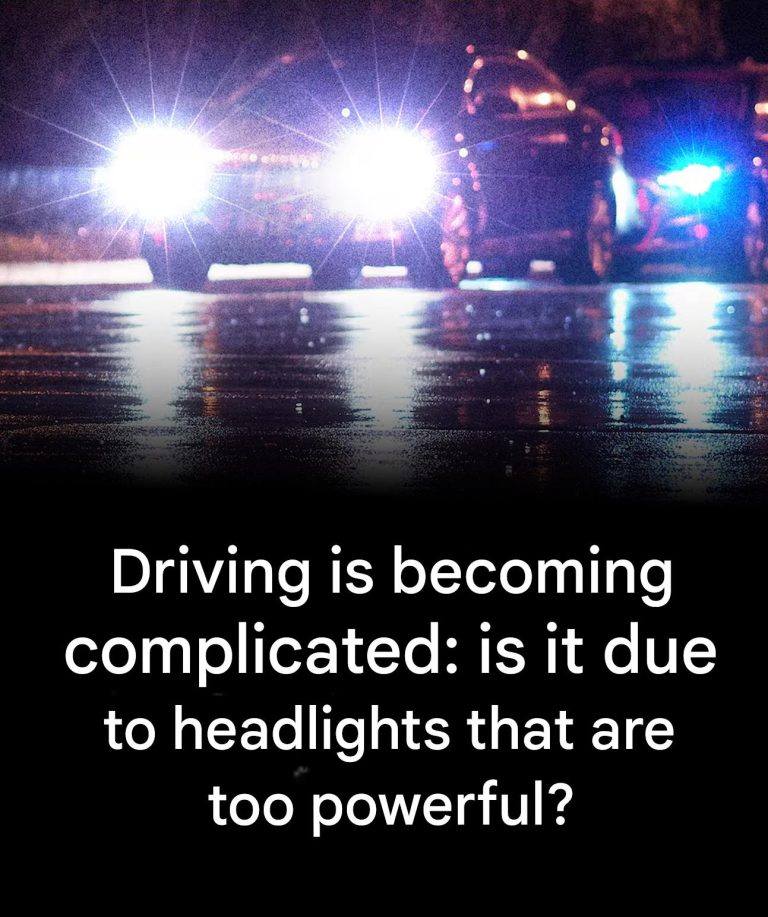
Brightness itself isn’t the enemy. The real problem is glare.
Glare occurs when light scatters inside the eye, reducing contrast and clarity. Even headlights that meet legal brightness standards can produce excessive glare if:
They are poorly aimed
They emit light at higher color temperatures
They are mounted higher off the ground
This glare can cause:
Temporary blindness
Eye strain and headaches
Slower reaction times
Why Newer Vehicles Make It Worse
Several modern design trends are unintentionally amplifying the problem.
1. Taller Vehicles
SUVs, trucks, and crossovers dominate today’s roads. Their headlights sit higher than those of sedans, shining directly into the eyes of other drivers instead of onto the pavement.
2. Blue-White Light
3. Automatic High Beams
Many vehicles now include automatic high-beam systems designed to dim when another car approaches. In real-world conditions, these systems don’t always react quickly or accurately, leaving drivers exposed to full brightness longer than intended.
Aging Eyes, Increasing Impact
The issue doesn’t affect everyone equally.
As we age, our eyes undergo natural changes:
The lens becomes less clear
Light scatters more easily
Recovery from bright light takes longer
Drivers over 40 often report significantly more difficulty with nighttime glare. For older adults, excessively bright headlights can turn night driving into a genuinely unsafe experience.
But even younger drivers are reporting fatigue and discomfort, especially during long nighttime commutes.
Is This Making Roads Less Safe?
Ironically, headlights designed to improve safety may be reducing it.
When drivers are blinded or distracted by glare:
They slow down unexpectedly
They drift within lanes
They miss hazards at the roadside
They experience heightened stress and fatigue
Pedestrians, cyclists, and animals become harder to spot—not easier—because glare washes out contrast.
Safety isn’t just about seeing farther. It’s about seeing clearly.
Regulations Lag Behind Technology
One major reason this problem persists is that headlight regulations haven’t kept pace with innovation.
Most vehicle lighting standards:
Focus on maximum brightness, not glare
Measure light output in controlled lab settings
Don’t fully account for real-world driving conditions
As a result, headlights can be technically legal while still causing significant discomfort and danger to others.
Some countries are beginning to revisit these standards, but widespread reform is slow.
The Role of Misaligned Headlights
Not all glare is caused by design alone. A significant portion comes from misaligned headlights.
Even a slight change in vehicle suspension—caused by:
Carrying heavy cargo
Towing
Worn shocks
Minor accidents
can tilt headlights upward, directing light straight into oncoming traffic.
Many drivers don’t realize their headlights are misaligned, and routine inspections don’t always catch the issue.
Windshields, Weather, and Visibility
Headlight glare becomes even worse when combined with other factors:
Dirty or scratched windshields scatter light
Rain or fog amplifies reflection
Nighttime construction zones add visual clutter
These conditions can turn bright headlights into blinding light sources that overwhelm the eye.
Psychological Effects of Nighttime Glare
Beyond physical visibility, glare affects how drivers feel.
Studies and surveys suggest that nighttime glare contributes to:
Increased anxiety
Avoidance of night driving
Reduced confidence behind the wheel
Some drivers—especially older adults—begin limiting their driving altogether, impacting independence and quality of life.
Are Adaptive Headlights the Answer?
Newer “adaptive” or “matrix” headlight systems promise a solution. These systems:
Adjust light patterns dynamically
Dim specific sections to avoid blinding other drivers
Improve illumination without increasing glare
While promising, these technologies are not yet universal, and their effectiveness varies by manufacturer and road conditions.
They also raise new questions about cost, maintenance, and standardization.
What Drivers Can Do Right Now
While systemic change takes time, there are practical steps drivers can take:
1. Check Your Headlight Alignment
Have your headlights inspected and adjusted, especially if you drive a taller vehicle.
2. Keep Windshields Clean
Inside and out. Even invisible film can dramatically increase glare.
3. Use Anti-Glare Glasses (With Caution)
Yellow or anti-reflective lenses can help some drivers, though results vary.
4. Look Slightly Right of Oncoming Lights
Focus on lane markings instead of directly at headlights.
5. Dim Dashboard Lights
Reducing interior brightness helps your eyes adjust better to the road.
What Automakers and Policymakers Must Address
Long-term solutions require broader action:
Improved glare-focused regulations
Limits on color temperature
Better enforcement of alignment standards
Consumer education about headlight maintenance
Wider adoption of truly adaptive lighting systems
Safety should be shared—not improved for one driver at the expense of another.
A Road at a Crossroads
The problem of overly bright headlights highlights a larger issue: technology advancing faster than human-centered design.
Just because something can be brighter doesn’t mean it should be.
Driving is a shared experience. Every innovation should consider not only the driver inside the vehicle, but everyone else on the road.
Final Thoughts
If headlights feel blinding, distracting, or exhausting, you’re not alone—and you’re not imagining it.
As vehicles evolve, so must our understanding of safety. Clear vision, comfort, and confidence behind the wheel are just as important as illumination distance or energy efficiency.
ADVERTISEMENT
