ADVERTISEMENT
Why Were No Bodies Found in the Wreck of the Titanic?
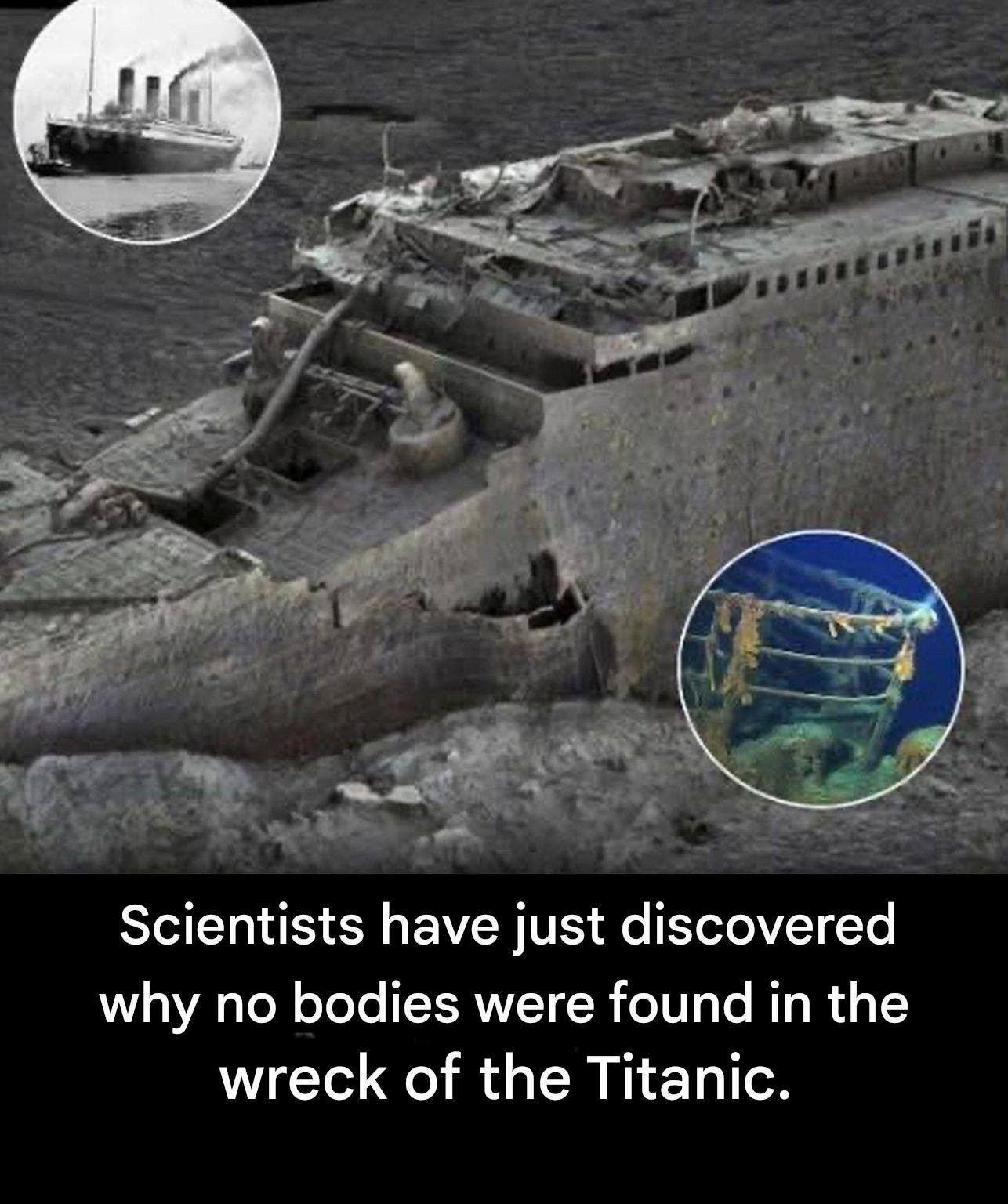
More than a century after the RMS Titanic sank into the icy darkness of the North Atlantic, the tragedy continues to haunt the public imagination. We know the ship lies nearly 13,000 feet beneath the ocean’s surface. We’ve seen haunting images of the rusted bow, the grand staircase long collapsed, and personal artifacts frozen in time.
Why were no bodies found in the wreck of the Titanic?
Given that more than 1,500 people lost their lives that night in April 1912, the absence of human remains at the wreck site feels eerie—almost impossible. The answer, however, lies at the intersection of biology, oceanography, time, and the brutal reality of the deep sea.
The Titanic Tragedy in Brief
When the Titanic struck an iceberg on April 14, 1912, it was believed to be unsinkable. Less than three hours later, the ship broke apart and vanished beneath the waves. Of the roughly 2,224 passengers and crew onboard, only about 710 survived.
Many victims drowned or succumbed to hypothermia in the freezing Atlantic waters. Some were wearing life jackets. Others were trapped inside the ship as it sank. A small number of bodies were later recovered from the surface in the days and weeks following the disaster—but the vast majority were never found.
When the wreck itself was finally discovered in 1985, expectations collided with reality: there were shoes, clothing, and personal belongings—but no skeletons.
The Crushing Depth of the Wreck Site
One of the most important factors is depth.
Water pressure is over 5,500 pounds per square inch
Temperatures hover just above freezing
Sunlight does not penetrate at all
This is not an environment where human remains can persist the way they might in shallow water or on land.
But pressure alone doesn’t explain the disappearance.
Continue reading…
ADVERTISEMENT
