ADVERTISEMENT
When Flames Sweep Through a Community: Inside Chile’s Wildfire Disaster and the Toll of Hundreds of Lost Homes
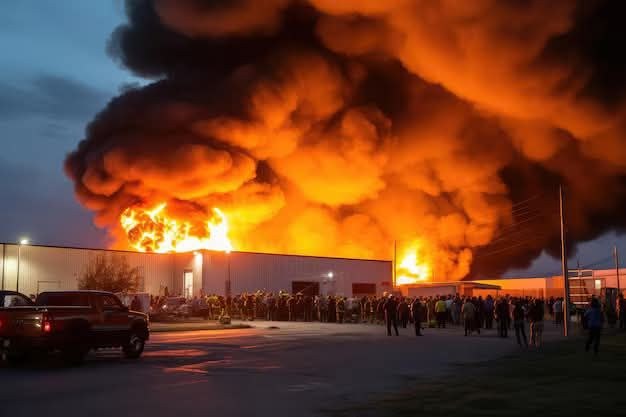
In mid‑January 2026, Chile confronted one of the most sudden and destructive wildfire outbreaks in recent history. Across the Biobío and Ñuble regions — a broad swath of central and southern Chile — fast‑moving wildfires, pushed by intense heat and strong winds, ripped through rural and urban landscapes alike. In just a few days, entire neighborhoods were reduced to rubble, tens of thousands of people were displaced, and authorities declared a state of catastrophe as emergency responders struggled to contain blazes that have destroyed and damaged hundreds of homes — at least 300 by official estimates and likely many more.
The Fire That Changed Everything
The wildfires began around January 16–18, 2026, in the heavily wooded areas of the Biobío and Ñuble regions. Fueled by extreme heat, gusty winds, and unusually dry conditions, the blazes spread rapidly out of control — overwhelming local fire crews and forcing the evacuation of entire towns.
Within days, more than 50,000 residents had fled their homes for safety. The towns of Lirquén and Penco, near the larger urban center of Concepción, were among the hardest hit, with large swaths of residential districts reduced to ashes. In some places, only skeletal frames and scorched foundations remained where vibrant communities once stood.
Authorities confirmed that at least 325 homes were destroyed outright — 300 in Biobío and 25 in Ñuble as of the latest assessments — with damage still being surveyed in surrounding areas. In addition, hundreds more residences have been significantly damaged by fire, smoke, or structural collapse.
Continue reading…
ADVERTISEMENT
